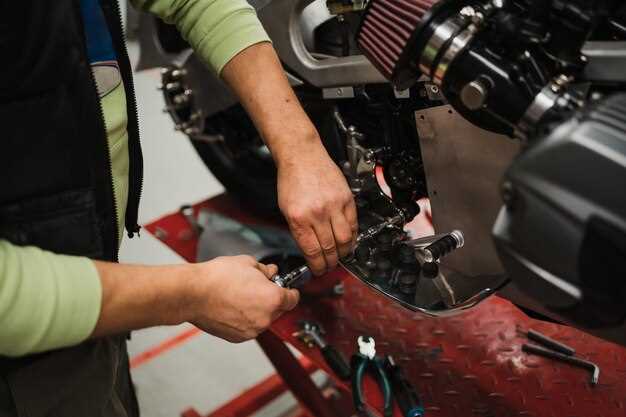
The pursuit of speed and agility on the track is a common passion shared by amateur racers around the world. To enhance the performance of your race car, the right upgrades can make a significant difference. Whether you are looking to improve handling, increase horsepower, or enhance braking capabilities, choosing the appropriate modifications is essential for maximizing your vehicle’s potential.
In the world of amateur racing, it’s not just about the driver’s skill; the car’s performance is equally critical. Integrating performance upgrades allows racers to tap into their car’s hidden capabilities. From lightweight components to advanced tuning options, each modification serves a unique purpose in elevating the overall experience on the circuit.
This article will explore the best upgrades for amateur race cars designed to enhance speed, handling, and reliability. By understanding the advantages of each modification, you can make informed decisions that will not only improve your lap times but also provide a more exhilarating racing experience.
Lightweight Components for Enhanced Acceleration
For amateur race car enthusiasts, enhancing vehicle performance is a continuous quest, and one of the most effective strategies is reducing weight. Lightweight components can significantly improve acceleration by allowing the engine to exert more power relative to the vehicle’s mass. This balance can be achieved through various modifications.
One of the first areas to consider is the replacement of factory parts with lightweight materials such as carbon fiber or aluminum. Components such as hoods, fenders, and trunk lids made from these materials not only shed weight but also contribute to improved aerodynamics. For instance, a carbon fiber hood can weigh significantly less than a standard steel counterpart, reducing the overall weight of the car.
Another critical component is the wheel assembly. Switching to lightweight alloy wheels can reduce unsprung weight, allowing for quicker acceleration and improved handling. The reduction in wheel weight enhances the car’s responsiveness and reduces the effort required to turn or brake, creating a more agile driving experience.
Additionally, amateur racers can focus on the suspension system. Upgrading to lightweight control arms and removing or replacing heavy components with lighter alternatives can improve weight distribution and further enhance acceleration. Implementing coilovers can also provide a more sophisticated suspension setup while maintaining a focus on reduced weight.
Furthermore, consider the drivetrain components. Lightweight flywheels and driveshafts help decrease rotational mass, allowing the engine to rev more freely. This reduction in weight can lead to quicker acceleration times, making a noticeable difference on the track.
In conclusion, employing lightweight components is a crucial modification strategy for amateur race car enthusiasts seeking to boost performance. By focusing on materials, wheels, suspension, and drivetrain enhancements, racers can achieve significant improvements in acceleration, leading to a more competitive edge on the circuit.
Upgraded Suspension for Improved Handling

One of the most effective upgrades for amateur race cars is the suspension system. A well-tuned suspension can dramatically enhance handling, stability, and overall performance on the track. Here are some key aspects to consider when upgrading your suspension:
- Coilovers: Adjustable coilovers allow you to fine-tune the ride height and stiffness. This customization helps in achieving optimal weight distribution and balance, which is crucial for cornering and traction.
- Sway Bars: Upgrading sway bars reduces body roll during aggressive turns. Thicker sway bars provide better lateral stability and help maintain tire contact with the road, improving overall handling.
- Strut Braces: Installing strut braces increases chassis rigidity. This upgrade minimizes flex during cornering, resulting in more precise steering response and improved road feedback.
- Shock Absorbers: High-performance dampers can significantly enhance your car’s ride quality and handling performance. Adjustable options allow you to optimize settings for different tracks or driving styles.
- Bushings: Replacing factory rubber bushings with polyurethane or solid options reduces flex and improves responsiveness. This upgrade leads to better alignment retention and enhanced steering feel.
By incorporating these suspension upgrades, you can achieve improved handling characteristics that will enhance both your competitive edge and enjoyment during track days. Each modification contributes to a balanced and responsive driving experience, enabling you to push your amateur race car to its full potential.
Performance Exhaust Systems for Better Power Output

Upgrading to a performance exhaust system is one of the most effective modifications for amateur race cars aimed at enhancing power output. Traditional exhaust systems can create bottlenecks, restricting the flow of exhaust gases and reducing engine efficiency. By installing a high-performance exhaust system, you can significantly improve your vehicle’s overall performance.
These systems are designed to reduce back pressure, allowing exhaust gases to exit more freely. This improved flow leads to better engine breathing, which translates to increased horsepower and torque. When selecting an exhaust upgrade, it’s crucial to consider the material used in the construction. Stainless steel and lightweight aluminum are popular choices, as they offer durability and resistance to rust, while also minimizing weight.
Choosing the Right System is essential. There are various types of performance exhaust systems, including cat-back systems, header upgrades, and turbo-back systems. Each option offers different benefits depending on the specific goals for your amateur race car. For example, cat-back systems replace the exhaust components located behind the catalytic converter, enhancing sound and performance without modifying the engine’s emissions system.
Moreover, engine tuning often accompanies exhaust upgrades. After installing a performance exhaust system, retuning the engine is advisable to optimize the air-fuel ratio and maximize the benefits gained from the exhaust upgrade. This synergy can unlock significant gains in power output, ensuring your investment translates into enhanced performance on the track.
Finally, consider the sound profile. Performance exhaust systems often produce a more aggressive exhaust note that can enhance the driving experience. However, ensure to comply with local noise regulations to avoid potential issues during races or daily driving.
In conclusion, upgrading to a performance exhaust system is a vital step for amateur race car enthusiasts looking to boost power output and achieve optimal performance. With the right choice and proper tuning, this upgrade can have a profound impact on your vehicle’s capabilities.