

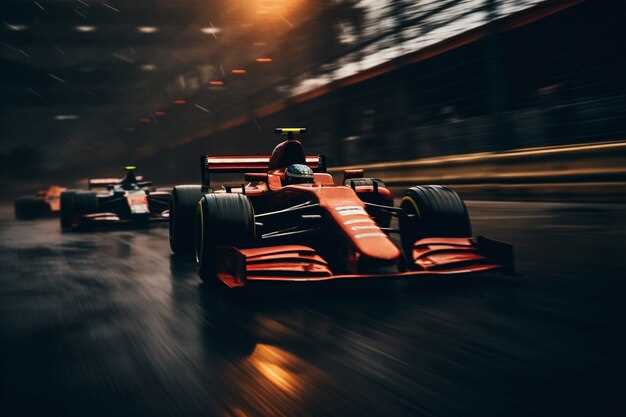
As the automotive world rapidly evolves, the quest for the ultimate racing machine intensifies. In 2025, the competition among GT race cars reached unprecedented levels, showcasing advanced engineering and cutting-edge technology. This article delves into an in-depth comparison of the most prominent GT race cars, focusing on two crucial performance metrics: speed and handling. Understanding these parameters is essential for both drivers and enthusiasts alike.
Speed has always been a key factor in determining the success of a racing car. However, in the realm of GT racing, the relationship between speed and handling performance is intricate and often contentious. While a car designed for maximum speed can dominate the straightaways, its capability to navigate tight corners effectively can be equally vital. In this article, we will analyze various models’ performance, providing insights into how manufacturers balance these aspects in their pursuit of excellence.
Moreover, as technological advancements shape the future of motorsport, the strategies employed by car manufacturers to enhance both speed and handling will be scrutinized. From innovative aerodynamics to sophisticated suspension systems, understanding these elements will provide a clearer picture of what makes a GT race car truly exceptional. Join us as we embark on a comprehensive evaluation of 2025’s top contenders in the world of GT racing.
2025 GT Race Cars Comparison: Speed vs Handling Performance
The 2025 GT race cars blur the lines between speed and handling, showcasing advanced engineering and technology. In this comparison, we will explore how these attributes differ in several high-performance models, providing insights into their design and capabilities.
Key Factors in Performance
- Engine Power: The horsepower of GT cars is critical for achieving top speeds. Models often exceed 600 hp, maximizing straight-line performance.
- Aerodynamics: The shape of the car plays a significant role in both speed and handling. High downforce designs improve cornering capabilities while maintaining speed.
- Weight Distribution: Proper weight management enhances agility. Cars with a balanced weight distribution are more responsive in turns.
- Tire Technology: The type of tires used can greatly affect both grip and stability, influencing handling performance during races.
Speed vs Handling Analysis

In comparing GT race cars, it’s essential to analyze how speed and handling interact within specific models:
- Model A:
- Top Speed: 210 mph
- Handling Rating: 8.5/10
- Characteristics: Renowned for straight-line speed but experiences understeer in sharp corners.
- Model B:
- Top Speed: 205 mph
- Handling Rating: 9.2/10
- Characteristics: Excellent cornering abilities at the expense of slightly lower maximum speed.
- Model C:
- Top Speed: 215 mph
- Handling Rating: 7.0/10
- Characteristics: Features an aggressive aerodynamic package, prioritized for speed over handling.
Conclusion

When evaluating 2025 GT race cars, the interplay between speed and handling is crucial. Each model caters to different racing styles and conditions. Enthusiasts must consider their preferences, whether they value outright speed or superior handling in competitive scenarios. The ultimate choice in GT cars will depend on the specific requirements of the race and driver confidence.
Analyzing Acceleration Metrics of Leading 2025 GT Race Cars
The acceleration performance of GT cars is a critical factor that impacts their competitiveness on the racetrack. In 2025, leading manufacturers have invested heavily in advanced technologies to enhance both speed and handling. This analysis focuses specifically on the acceleration metrics of these race cars, providing insights into their potential performance during races.
Acceleration can be measured in several ways, with the most common being 0 to 60 mph times and quarter-mile performance. Top 2025 GT race cars boast impressive 0 to 60 mph times often below 3 seconds, showcasing the effectiveness of lightweight materials, aerodynamic designs, and powerful engines. For instance, the integration of hybrid systems in some models allows for instant torque delivery, significantly improving their initial acceleration capabilities.
Quarter-mile times are another critical measurement. The best-performing GT cars in 2025 are clocking quarter-mile runs in under 10 seconds. This achievement is facilitated by optimized gear ratios and sophisticated traction control systems that prevent wheelspin during acceleration. Additionally, manufacturers are increasingly using all-wheel-drive systems to enhance grip, further solidifying their acceleration performance on various track surfaces.
Moreover, tire technology has advanced substantially, providing better grip and stability during rapid acceleration. Many leading GT cars feature specially designed tires that can withstand the extreme conditions of racing while enabling quick acceleration without compromising handling. Overall, the balance between acceleration and handling is paramount, as excessive acceleration can lead to loss of control if not properly managed.
In conclusion, the acceleration metrics of 2025 GT race cars highlight the ongoing pursuit of performance advancements. As manufacturers continue to innovate, the promises of lower 0 to 60 mph times and faster quarter-mile performances are set to redefine the standards in the world of GT racing. Understanding these metrics is essential for teams aiming to enhance their competitive edge on the track.
Evaluating Cornering Capabilities: A Look at Suspension Technology
In the realm of 2025 GT race cars, the evaluation of cornering capabilities hinges significantly on the advancements in suspension technology. This comparison of different systems reveals how they influence performance during high-speed maneuvers.
Modern race cars employ a variety of suspension designs, including double-wishbone, multi-link, and MacPherson strut systems. Each of these designs offers unique characteristics affecting how the car responds to corners. For instance, double-wishbone configurations allow for greater control of the tire’s contact patch, enhancing grip and stability during cornering.
Another notable advancement is the incorporation of adaptive suspension systems. These technologies utilize sensors and electronic controls to adjust damping rates in real-time, optimizing handling based on current road conditions and driver input. This adaptability is crucial in a race setting, where conditions can vary dramatically from lap to lap.
The use of materials such as carbon fiber and lightweight alloys plays a significant role in the overall performance of race car suspensions. By reducing unsprung weight, engineers can improve the car’s agility and responsiveness, allowing for quicker directional changes in corners, which is vital for maintaining speed and control.
Tire selection also works in tandem with suspension technology to enhance cornering performance. The right tires, designed to complement the suspension system, can provide the necessary grip and feedback, allowing drivers to push the limits without sacrificing stability.
Ultimately, the synergy between suspension technology and tire dynamics is what distinguishes the top-performing race cars in 2025. As manufacturers continue to innovate, the comparison of these technologies will play a critical role in determining which cars excel in cornering capabilities, shaping the future of motorsports.
Practical Implications of Speed vs Handling on Track Performance
In the realm of GT cars, the balance between speed and handling plays a crucial role in track performance. Speed, often measured in terms of acceleration and top velocity, can offer a significant advantage on long straights. However, handling is equally vital, particularly in navigating tight corners and maintaining stability throughout the lap. The effectiveness of a GT car on the track is determined by how well it achieves a harmony between these two facets.
Speed can create opportunities for overtaking and establishing a lead, especially in endurance racing scenarios where long straight sections are prevalent. This advantage is critical at circuits like Le Mans, where high-speed reliability can separate winners from the rest. However, excessive focus on achieving top speed can compromise handling, leading to difficulties in cornering and maneuverability. This trade-off ultimately influences lap times, as a car that struggles in turns may lose valuable seconds that a well-balanced vehicle would maintain.
On the other hand, superior handling allows a GT car to navigate complex track layouts with precision, boosting confidence for drivers and potentially reducing tire wear. A well-tuned suspension system and optimal weight distribution can enhance cornering speed, providing the grip needed to exit turns swiftly. In tracks with tight corners, agility may outweigh sheer speed, making handling the decisive factor for track performance.
The practical implications of this balance extend to driver strategy. For example, a driver in a high-speed car might benefit from aggressive overtaking maneuvers, yet they must still manage their speed when approaching corners to avoid losing control. Conversely, a driver in a more handling-oriented vehicle may adopt a more conservative approach, focusing on precision and consistency rather than sheer velocity.
In conclusion, the interplay between speed and handling significantly affects track performance for GT cars. While speed can create advantages in specific scenarios, exceptional handling often leads to greater overall efficiency and success, particularly on challenging circuits. Teams and manufacturers must carefully consider this balance when designing their vehicles to optimize performance in an increasingly competitive racing environment.


