

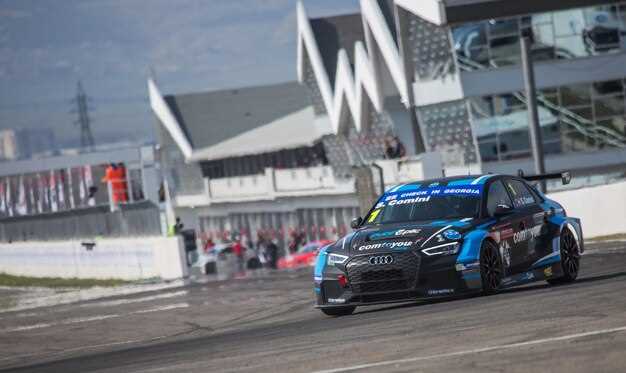
The world of motorsport offers an exhilarating opportunity for amateur drivers eager to make their mark in racing. Among the various categories, GT (Gran Turismo) racing stands out as a popular choice for enthusiasts. Entry-level GT race cars provide aspiring racers with the perfect balance of performance and accessibility, allowing them to hone their skills without the overwhelming complexity found in higher-tier machines.
These vehicles are designed specifically for racers who are just starting their journey. With manageable power outputs, improved handling characteristics, and a relatively low cost of entry, entry-level GT race cars are ideal for those looking to competitively participate in events. From touring circuits to track days, these cars offer a thrilling way to experience the adrenaline of racing while allowing drivers to build their confidence behind the wheel.
In this article, we will explore some of the best entry-level GT race cars that are currently available for amateur drivers. By focusing on factors such as performance, affordability, and ease of handling, we aim to provide a comprehensive guide that will help new racers choose the right car for their journey into the world of competitive motorsport.
Choosing the Right GT Car for Beginners: Key Features to Consider
When selecting an entry-level GT race car, it’s crucial to consider several key features that will enhance the racing experience for amateur drivers. First and foremost, the car’s handling characteristics should be well-balanced and forgiving. A car that offers predictable handling traits allows beginners to build confidence behind the wheel while learning the intricacies of racing dynamics.
Next, power delivery is essential. A vehicle with a moderate power-to-weight ratio ensures that novice drivers can enjoy thrilling acceleration without becoming overwhelmed by excessive speed. Furthermore, a naturally aspirated engine can be advantageous for beginners, as it provides a linear power curve that’s easier to manage compared to turbocharged engines that may have a lag in response.
Another important consideration is the availability of driver-assistance features. Many entry-level GT cars now come equipped with systems such as stability control and traction control. These features can significantly aid amateur drivers in maintaining control during their initial racing experiences, allowing them to learn more effectively and safely.
Additionally, the cost of ownership should not be overlooked. Entry-level GT race cars should ideally strike a balance between performance and maintenance costs. Opting for models that have readily available parts and a strong support network can greatly enhance the overall experience, especially for those just starting in motorsport.
Finally, consider the vehicle’s aftermarket support and community. Many enthusiasts benefit from sharing knowledge about modifications and racing techniques. Therefore, choosing a GT car with a vibrant community can enhance the learning curve and provide valuable resources for beginners as they embark on their racing journey.
Cost Breakdown: Budgeting for Entry-Level GT Racing

Entering the world of GT racing can be an exhilarating experience, particularly for amateur drivers seeking to hone their skills. However, a clear understanding of the costs involved is essential for effective budgeting. This section outlines the key expenses to consider when planning to participate in entry-level GT racing.
The first significant cost is the purchase or lease of a suitable entry-level GT race car. Depending on the model and condition, prices can range from $30,000 to $100,000. Popular choices for amateur drivers often include models like the Porsche Cayman or the Chevrolet Corvette, both known for their performance and reliability.
Next, it is necessary to budget for modifications and upgrades to the race car. Standard entry-level GT cars may require enhancements for competitive racing performance, which can add an additional $5,000 to $15,000. Upgrades may include improved suspension systems, brakes, tires, and safety equipment, essential for ensuring both speed and driver safety.
Another critical expense is race preparation and maintenance. Regular servicing and tuning are vital for optimal performance and longevity of the vehicle. Setting aside approximately $2,000 to $5,000 annually for maintenance will help prevent costly breakdowns during races.
Event fees represent another important factor in budgeting. Entry fees for races typically range from $500 to $1,500 per event, depending on the series and location. If you plan to compete in multiple races throughout the season, it’s essential to account for these costs accordingly.
Travel expenses must also be considered, especially if racing events are spread over a wide area. Fuel, accommodations, meals, and other travel-related costs can accumulate quickly, often totaling $1,000 to $3,000 per season, depending on the number of races and travel distances.
Finally, it’s vital to include insurance coverage in your budget. Specialty motorsport insurance can be crucial, providing peace of mind against potential accidents or damages. Depending on the coverage level, insurance can cost between $1,000 and $3,000 annually.
In summary, aspiring amateur drivers should anticipate total costs ranging from $45,000 to $130,000 in the first year of entry-level GT racing, encompassing all aspects from vehicle purchase to operational expenses. A well-structured budget not only prepares drivers for the financial commitment but also enhances the overall racing experience.
Training Tips: How to Improve Your Skills in GT Racing

To excel in entry-level GT racing, drivers must focus on several key areas that will enhance their overall performance on the track. Here are some effective training tips to help you refine your skills.
1. Understand Your Car: Familiarize yourself with the characteristics of your entry-level GT race car. This includes learning about its handling, acceleration, braking, and tire behavior. Spend time exploring the limits of the car during practice sessions to build confidence and control.
2. Master the Racing Line: The racing line is the fastest path around the track. Study the layout of your local circuit and practice finding the optimal line through each corner. Use simulation software or onboard footage from experienced drivers to analyze effective lines and incorporate them into your driving.
3. Focus on Consistency: Consistency is crucial in racing. Work on delivering steady lap times rather than focusing solely on fast laps. Practice makes perfect; aim to improve your lap times incrementally by refining your technique with each session.
4. Develop Smooth Inputs: Smoothness is key in GT racing. Focus on making gradual and precise steering, throttle, and braking inputs. Sudden changes can upset the balance of the car and lead to mistakes. Practicing smooth transitions will improve your overall vehicle control.
5. Engage in Simulator Practice: Utilize racing simulators to hone your skills. Simulators allow you to practice various track conditions, vehicle setups, and driving techniques without the risks associated with real-world racing. Many simulators offer realistic physics that can translate well to actual driving experiences.
6. Work on Mental Preparation: Mental strength is as important as physical skills in racing. Develop techniques to enhance focus and reduce anxiety before racing events. Visualization exercises, such as imagining successful laps and strategies, can be effective in boosting your confidence and performance.
7. Learn from Feedback: After each race or practice session, review your performance critically. Seek feedback from experienced drivers or coaches. Analyze data from lap times, braking points, and throttle usage to identify areas that need improvement.
8. Participate in Club Events: Join local motorsport clubs and participate in entry-level racing events. Experience in competitive environments helps you adapt to different racing scenarios and improve your skills under pressure.
By integrating these training tips into your routine, you can significantly enhance your skills and enjoyment of GT racing, setting a solid foundation for future success on the track.


