

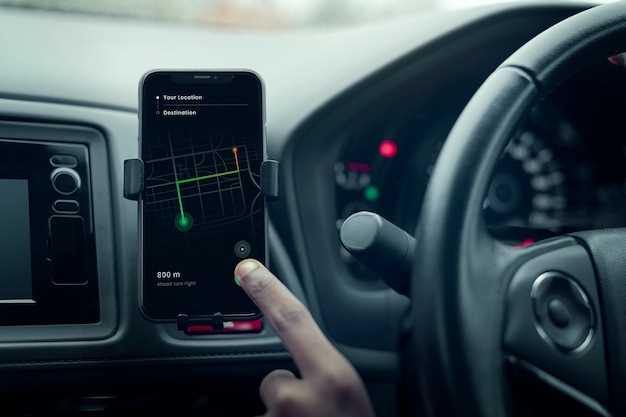
The use of GPS technology has revolutionized the way performance is tracked in GT cars, offering insights that were once beyond reach. This advanced system enables drivers and teams to monitor crucial data in real time, enhancing not only the driving experience but also the strategic decisions made during racing events. By providing precise location information at every lap, GPS allows for detailed analysis and optimization like never before.
During a race, each lap becomes an opportunity for improvement. With GPS, drivers can assess their speed, acceleration, and braking points, identifying areas where they can shave off valuable seconds. The ability to map out the track virtually and review performance metrics empowers teams to make data-driven adjustments to both driving techniques and vehicle setups, ultimately improving overall race outcomes.
Furthermore, the integration of GPS with other telemetry systems creates a comprehensive picture of performance. From tire wear to engine efficiency, the data gathered during each lap can be analyzed to enhance competitive strategies. As such, GPS stands as a critical tool, enhancing the performance tracking capabilities of GT cars and contributing significantly to the evolution of motorsport.
GPS Accuracy in Measuring Lap Times and Sector Performance
In the world of GT racing, accurate performance tracking is crucial for both teams and drivers to optimize their strategies and improve lap times. GPS technology plays an essential role in this process, providing high-resolution data that significantly enhances the measurement of lap times and sector performance.
One of the key aspects of GPS accuracy lies in its ability to offer real-time location updates. Modern GPS systems can measure positions with a precision of a few centimeters, allowing teams to analyze every turn and straight of the track with remarkable detail. This precision is vital for determining exact lap times and identifying sector performance, enabling drivers to understand where they are gaining or losing time during races.
Moreover, data collected via GPS allows for comprehensive analysis of various parameters including speed, acceleration, and trajectory. By integrating this data with telemetry systems, engineers can create detailed performance profiles of the car during each lap. Such analyses help in pinpointing specific areas of the track where improvements can be made, whether it’s adjusting cornering techniques or optimizing braking points.
In practice, the synchronized GPS data helps teams benchmark their performance against competitors. By comparing lap times and sector splits from different drivers, teams can gain insights into the effectiveness of their setups and driving styles. This competitive edge derived from hyper-accurate GPS data is invaluable in a sport where milliseconds can determine finishing positions.
In conclusion, the accuracy of GPS in measuring lap times and sector performance is a game changer in GT racing. Its ability to provide precise data not only aids drivers in optimizing their performance but also empowers teams to make informed strategic decisions throughout the race weekend.
Analyzing Driver Behavior and Optimal Racing Lines Using GPS Data

GPS technology has revolutionized how racing teams analyze driver performance and optimize racing strategies. By capturing crucial data during each lap, teams can gain valuable insights into driver behavior and identify the most efficient racing lines on the track.
Through GPS analysis, teams can track the precise position and speed of a vehicle at any given moment during a lap. This information allows them to compare different drivers’ performance and assess how effectively each one executes turns, accelerates, and brakes. By aggregating this data across multiple laps, teams can develop a clearer picture of a driver’s strengths and areas needing improvement.
One key aspect of this analysis is determining the optimal racing line, which is the fastest path around the track. GPS data enables engineers to visualize this line and compare it against the actual path taken by the driver. Discrepancies between the ideal line and the driver’s line can highlight opportunities for improved cornering and acceleration. For instance, if GPS tracking shows that a driver consistently exits a corner wide and loses time, coaches can provide targeted feedback for adjusting their approach.
Moreover, advanced telemetry systems allow for real-time analysis during practice sessions. This means that drivers can receive instant feedback based on their lap performances, helping them to make necessary adjustments on-the-fly. These insights not only enhance individual performance but also contribute to overall team strategy by refining vehicle setups and tire choices tailored to each driver’s unique style and preferences.
Ultimately, leveraging GPS data for analyzing driver behavior and identifying optimal racing lines enables teams to push the limits of performance. This detailed analysis not only maximizes lap times but also enhances the overall racing experience, making it a vital component in the competitive landscape of GT racing.
Integrating GPS Insights for Real-Time Strategy Adjustments During Races

In the realm of GT racing, data acquisition plays a crucial role in maximizing performance on the track. Utilizing GPS technology enhances the ability of teams to monitor their cars’ progress lap by lap, providing valuable insights into various parameters such as speed, acceleration, and braking points.
As races unfold, real-time GPS data allows teams to analyze their current standing relative to competitors. This immediate feedback enables strategic adjustments in response to changing conditions. For instance, if a driver consistently loses time in a specific corner, the team’s strategist can recommend modifying braking points or adjusting tire pressures, thereby improving overall lap times.
Moreover, GPS insights facilitate communication between drivers and pit crews, ensuring that each party is informed of any performance discrepancies throughout the race. These insights help in optimizing pit stop strategies based on the car’s current lap times and the behavior of rival vehicles.
By integrating GPS data into their strategic framework, teams can enhance decision-making processes, ultimately leading to improved performance during critical racing moments. The ability to adapt strategies in real time, based on accurate data, is essential for gaining an edge over competitors on the track.


