

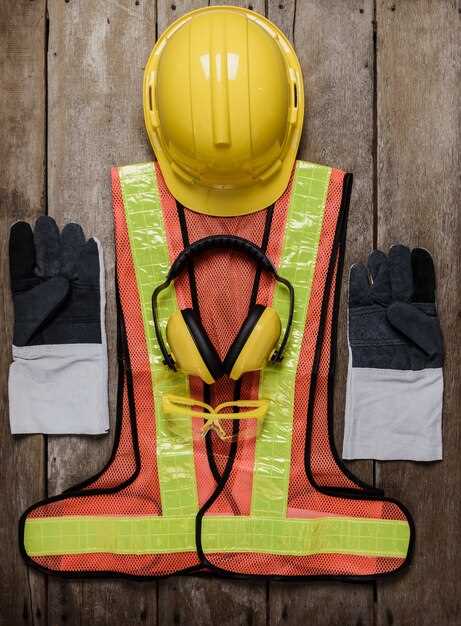
In any environment where safety is a priority, the proper inspection and maintenance of your safety gear are crucial. Whether in construction, sports, or any high-risk activity, the effectiveness of your protective equipment directly impacts your wellbeing. Regular checks ensure that your gear functions as intended, safeguarding you from potential hazards.
During your inspection, look for signs of wear and tear, such as cracks, dents, or frayed straps. These issues can compromise the integrity of your gear and may lead to serious injuries. It’s essential to follow manufacturer guidelines on maintenance schedules and procedures to extend the lifespan of your equipment. By prioritizing safety gear inspections, you not only enhance your protection but also cultivate a culture of safety in your environment.
Remember, safety gear is only effective if it is well-maintained and properly fitted. Taking the time to regularly inspect and care for your equipment can mean the difference between staying protected and succumbing to preventable accidents. Make safety a habit – your well-being depends on it.
How to Perform a Thorough Inspection of Your Safety Equipment
Conducting a thorough inspection of your safety gear is essential to ensure optimum protection. Start with a visual examination, checking for any signs of wear, damage, or deterioration. Look for frayed straps, cracks, or corrosion, which may compromise the gear’s integrity.
Next, ensure that all components are functioning properly. For helmets, check the harness systems and ensure that the padding is intact and securely positioned. For gloves, inspect the stitching and material for any tears or punctures. Safety goggles should be clear of scratches and provide a proper seal around the eyes.
Pay attention to the maintenance requirements specified by the manufacturer. Some equipment may require regular calibration or systematic maintenance to remain effective. Ensure you are familiar with the service intervals and adhere to them strictly.
In addition to visual and functional assessments, consider the cleanliness of your gear. Contaminants can reduce effectiveness, particularly for respiratory equipment. Clean and sanitize your safety gear as recommended; this enhances both lifespan and safety performance.
Finally, document your findings during the inspection to track any recurring issues. Regularly recording the condition of your safety gear helps in evaluating when replacement may be necessary and ensures you keep safe equipment on hand at all times.
Common Signs of Wear and Tear: What to Look For
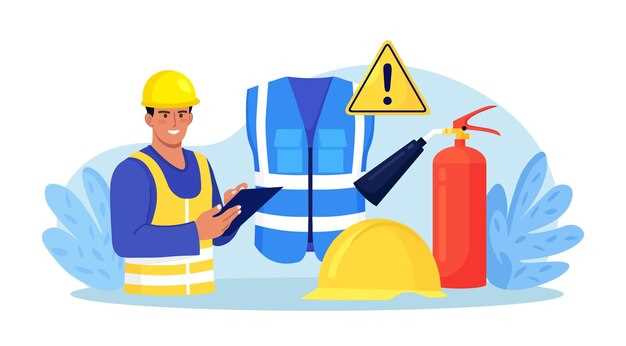
Regular inspection of your safety gear is essential to ensure it provides adequate protection when needed. Here are some common signs of wear and tear that you should check for:
1. Frayed Edges: Look for any fraying at the edges of straps, seams, or other components. Frayed edges may indicate that the material is weakening and may not hold up under stress.
2. Cracks and Bends: Inspect hard materials, such as helmets or protective goggles, for any cracks or bends. These imperfections can compromise their structural integrity, making them less effective in a hazard situation.
3. Discoloration: Fading or discoloration of fabric or other materials can be a sign of UV damage or wear. If your gear shows significant color changes, it may be losing its protective qualities.
4. Deterioration: Check for signs of degradation, such as peeling, peeling coatings, or softening of rigid materials. This can indicate that exposure to elements has compromised the gear’s effectiveness.
5. Unusual Odors: If your safety gear has developed an unusual smell, it might be due to mold or mildew, which can weaken fabric fibers and lead to failure in protective performance.
6. Fittings and Adjustments: Ensure that all buckles, straps, and adjustments function smoothly. If any components feel loose or do not secure properly, it may be time for a replacement.
By being vigilant and performing regular checks, you can identify these common signs of wear and tear on your safety gear, ensuring it remains reliable and effective in protecting you in various situations.
Best Practices for Regular Maintenance of Safety Gear
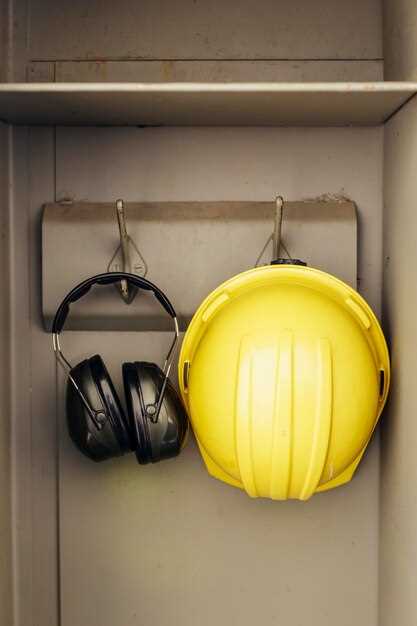
Regular maintenance of safety gear is essential for ensuring optimal protection during any task. One of the most effective practices is to establish a routine schedule for inspection. This should include checking for any visible signs of wear and tear, such as cracks, frayed straps, or damaged padding. Identifying these issues early can prevent potential accidents and enhance overall safety.
During each inspection, it is crucial to clean all safety equipment according to the manufacturer’s guidelines. Different materials may require specific cleaning methods; therefore, referring to the manual is important. Proper cleaning not only extends the life of the gear but also ensures that it functions as intended.
In addition to physical checks, consider testing the functionality of equipment regularly. For items like harnesses or helmets, perform a quick test to ensure all components are intact and operational. This proactive approach helps identify any issues that may not be immediately visible.
Documentation of inspections and maintenance actions is another best practice. Keeping a log of inspections performed, including dates and findings, helps track the condition of the gear over time and ensures compliance with safety standards.
Lastly, communicate with team members about the importance of safety gear maintenance. Encourage everyone to participate in the checking and inspection processes, fostering a culture of safety and vigilance. Regular training sessions can reinforce the significance of maintaining safety equipment and highlight any updates in procedures or gear standards.


